Introduction
In today's medical care landscape, the importance of specialized training can not be overemphasized. One location where continual education and learning is specifically crucial is nursing wound care training. With the expanding prevalence of chronic wounds and complex wound care management, remaining abreast of the latest strategies, innovations, and finest techniques is vital for nurses. This comprehensive short article delves into the myriad advantages of recurring education and learning in nursing wound care training, highlighting the requirement for nurses to engage in wound care specialist training and associated courses.

The Advantages of Recurring Education in Nursing Wound Treatment Training
Ongoing education in nursing wound care training is critical for several reasons. First and foremost, it gears up health care specialists with the knowledge needed to supply ideal individual treatment. The area of wound care is consistently evolving, as brand-new research study arises bordering finest methods and innovative therapy methods. Continuing education and learning makes sure that nurses stay present on these advancements.
Additionally, recurring education promotes specialist advancement. By taking part in sophisticated wound care training courses or coming to be licensed as an injury treatment nurse, professionals not just enhance their capability but additionally open doors to profession advancement opportunities.
Moreover, specialized education and learning can result in enhanced patient outcomes. Nurses outfitted with existing expertise and abilities are better positioned to analyze injuries properly and implement reliable therapy strategies. This converts straight into reduced recovery times and a reduction in problems for patients.
Understanding Wound Treatment: An Overview
What Is Wound Care?
Wound treatment involves different methods focused on protecting against infection, advertising recovery, and taking care of discomfort related to injuries or surgical procedures. It includes basic wound care training in addition to more facility interventions for persistent wound care management.
Types of Wounds
Acute Wounds: These arise from surgery or injury and typically heal within a couple of weeks. Chronic Injuries: These do not proceed through the typical stages of healing and may require considerable management. Complex Wounds: These involve several layers of cells damages and typically demand specialized interventions.Why Seek Continued Education in Nursing Wound Care?
Evolving Practices
The landscape of health care is regularly altering due to technical innovations and research study growths. Continuous education helps registered nurses remain notified about these changes.
Improved Patient Outcomes
When nurses get upgraded training in areas like NDIS wound care or innovative strategies for chronic injuries, they can significantly improve client healing processes.
Career Development Opportunities
By participating in specialized programs such as wound care nurse training or obtaining qualifications through credible companies, registered nurses place themselves for promotions or advanced roles within their institutions.
Key Components of Reliable Wound Treatment Training
Comprehensive Curriculum Development
A durable educational program have to include both theoretical expertise and functional skills. This consists of understanding makeup related to injuries, identifying indicators of infection, and mastering numerous clothing techniques.
Hands-On Experience
Practical application through simulations or medical practice is important for efficient learning. Trainees can take advantage of workshops that allow them to practice intricate treatments under supervision.
Types of Wound Care Training Courses Available
Basic Wound Treatment Training- Focuses on fundamental principles Ideal for new nurses
- Delve deeper into chronic injury management Suitable for skilled practitioners
- Include credentials like CWCN (Certified Injury Care Nurse) Enhance expert credibility
- Offer versatility for hectic professionals Cover a range of subjects from standard to innovative levels
Challenges Dealt with by Nurses Without Continued Education
Without continuous education, registered nurses may deal with outdated practices that might endanger person safety and security or lead to mismanagement of wounds.
Knowledge Gaps
As clinical standards develop, failure to upgrade one's knowledge base can result in inadequate treatments.
Increased Risk of Complications
Poorly taken care of injuries can cause serious issues such as infections or long term healing times-- concerns that continuous education and learning can prevent.
Integrating Technology Into Nursing Wound Care Training
Technology plays an important duty in modern health care practices.
Telehealth Applications
Telehealth enables remote examinations relating to injury analyses, allowing professionals to lead nurses with complicated situations without being literally present.
Smart Dressing Technologies
Innovative dressings equipped with sensing units can keep track of healing progress continually; for this reason understanding these innovations is essential throughout training sessions.
The Duty of Nursing Organizations in Ongoing Education
Professional companies such as the American Academy of Injury Management deal resources and support for continued discovering among nursing professionals.
FAQs Regarding Ongoing Education and learning in Nursing Wound Care Training
1. What are the benefits of finishing a wound treatment certification?
Finishing an accreditation enhances your experience, improves person results, boosts job possibilities, and boosts self-confidence in taking care of complex cases.
2. How frequently ought to nurses seek proceeding education in this field?

3. Are online programs reliable for finding out about wound care?
Yes! Online courses give versatility while ensuring thorough insurance coverage of vital concepts with interactive materials.
4. What requirements exist for advanced injury treatment courses?
The majority of sophisticated courses need previous experience or fundamental knowledge acquired from basic wound complex wound care care training programs.
5. Can I specialize further after completing standard nursing education?
Definitely! Lots of expertise choices exist post-basic nursing education and learning which concentrates particularly on locations like chronic wound management.
6. Where can I find legitimate training programs?
Nursing companies commonly note accredited programs; additionally looking into colleges that provide continuing education debts can yield beneficial information.
Conclusion
The advantages of continuous education and learning in nursing wound care training can not be overemphasized-- it's a financial investment not simply in individual occupation development yet additionally substantially impacts patient wellness results positively. By continuing to be aggressive concerning expert development with programs concentrated on complicated wounds or NDIS-related initiatives like community-based analyses, registered nurses guarantee they provide optimum patient-centered care regularly over time.
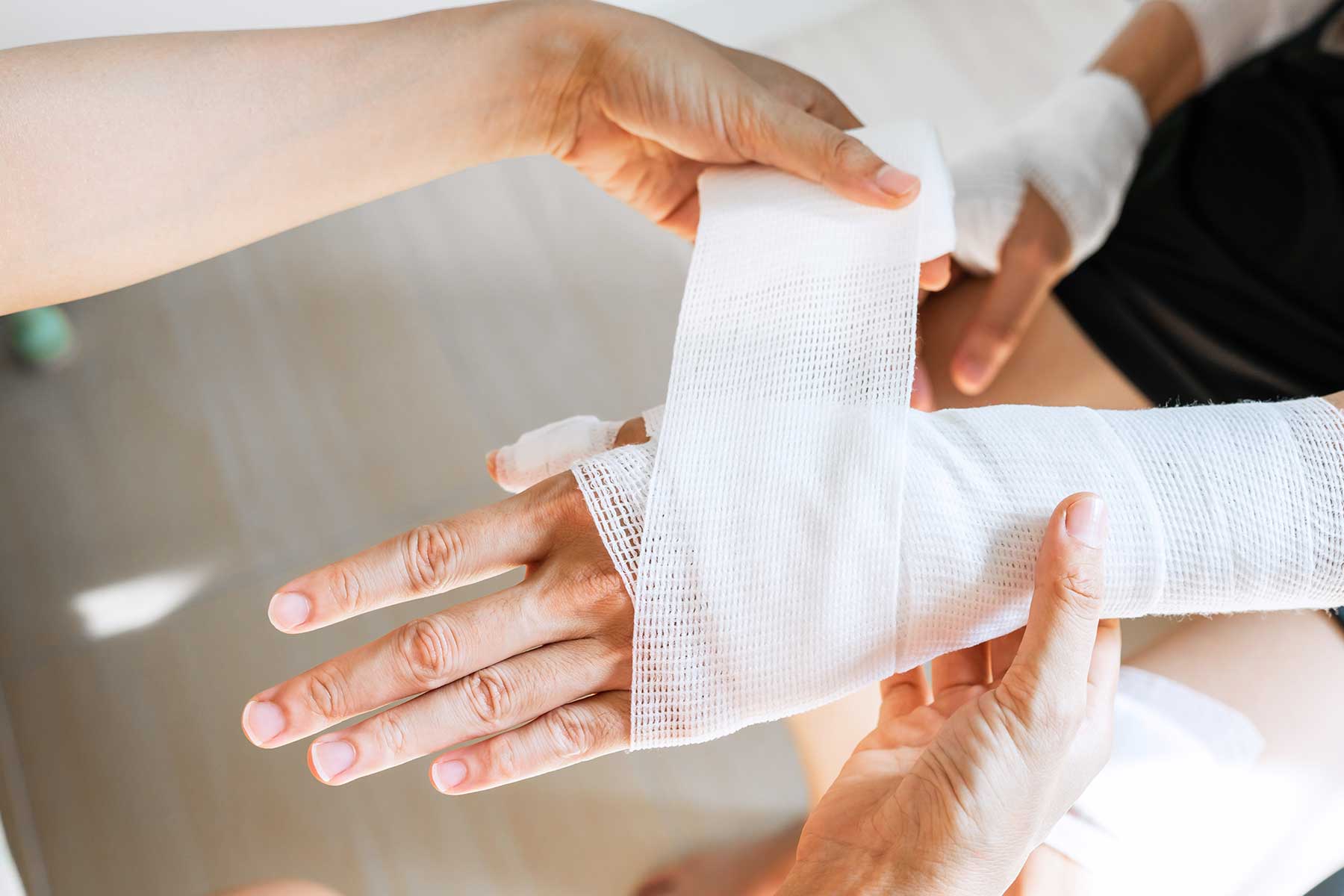
In recap, seeking ongoing education isn't simply advantageous; it's needed! Embrace the possibility today since your clients depend on it-- and so does your future success within this ever-evolving profession!